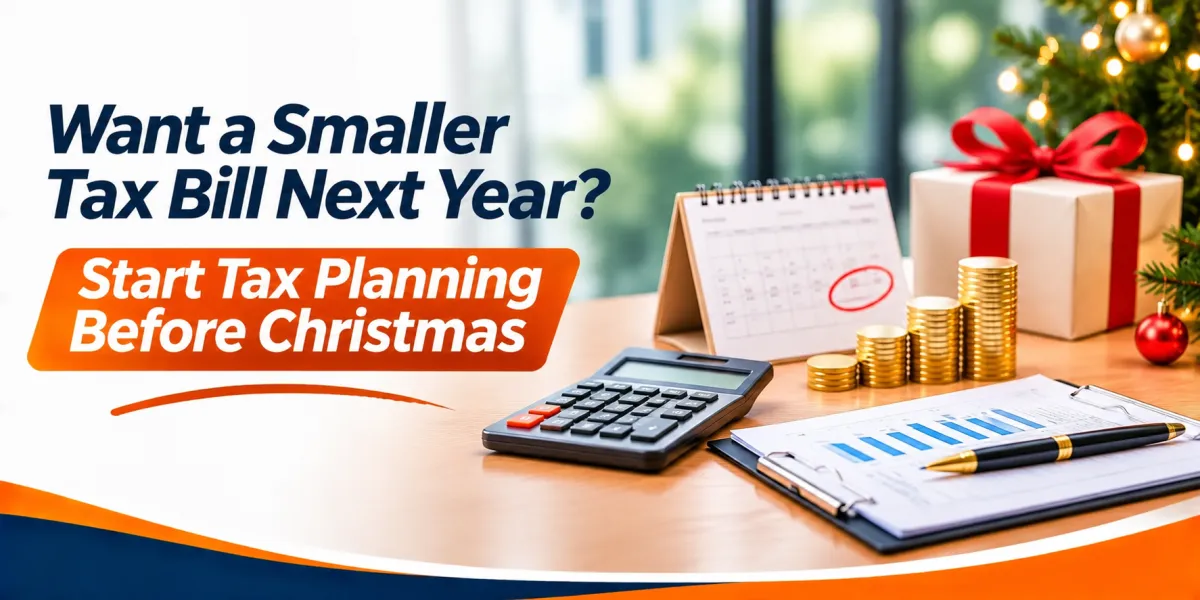
Want a Smaller Tax Surprise Next Year? Start Planning Before Christmas.
Christmas is approaching, and while you're busy preparing for the holidays, organising staff schedules and wrapping up business activities, there's one important thing you shouldn't overlook: your tax planning.
Many Australian individuals and business owners wait until tax time to think about their tax obligations. Unfortunately, by then, some opportunities to organise finances, review expenses and prepare for upcoming tax liabilities may have already passed.
If you want fewer financial surprises next year, the best time to start planning is before Christmas.
Whether you're running a small business, working as an employee, earning investment income or managing rental properties, taking a proactive approach to tax planning can help you understand your financial position and make informed decisions.
At Vanguard Accounting, we help Australian individuals and businesses organise their finances and prepare for their tax responsibilities.
Let's explore some practical steps you can take before the year ends.
1. Understand Your Current Tax Position
Before making any tax planning decisions, you need to understand where you currently stand financially.
For business owners, this means reviewing your income, expenses, profit and outstanding financial obligations.
For individuals, it may involve reviewing employment income, investment earnings, rental income and other sources of assessable income.
Start by checking:
Your total income for the financial year so far.
Business revenue and operating expenses.
Tax instalments and PAYG withholding.
Outstanding customer invoices.
Investment and rental property income.
Previous tax liabilities.
Any outstanding BAS statements.
Having an accurate financial picture helps you identify potential tax liabilities before they become unexpected problems.
2. Review Your Business Expenses and Eligible Deductions
Business owners should review their expenses regularly rather than waiting until their annual tax return is due.
Depending on your business activities, eligible expenses may include:
Office rent and utilities.
Business insurance.
Advertising and marketing.
Professional accounting fees.
Software subscriptions.
Employee wages.
Eligible business travel expenses.
Equipment and operating costs.
However, not every business expense is automatically deductible.
To claim a deduction, the expense generally needs to meet the relevant tax requirements, including being incurred in earning assessable income and being supported by appropriate records.
Private expenses cannot simply be claimed as business deductions.
Reviewing your expenses before Christmas gives you time to identify missing invoices, organise receipts and understand which costs may qualify for deductions.
3. Don't Leave Your Bookkeeping Until Tax Time
One of the biggest reasons businesses experience tax-time stress is incomplete bookkeeping.
When transactions are not recorded regularly, it becomes difficult to understand actual business income, expenses and profitability.
Before Christmas, consider reviewing:
Business bank transactions.
Outstanding sales invoices.
Supplier bills.
Employee payroll records.
GST collected and paid.
Business loan transactions.
Equipment purchases.
Other business expenses.
Reconcile your accounts and investigate any unexplained transactions.
Updated bookkeeping also makes it easier to prepare BAS statements and understand your business cash flow.
Remember, accurate records are essential for supporting tax deductions and meeting ATO record-keeping requirements.
4. Check Your BAS, GST and PAYG Obligations
Tax planning isn't limited to your annual income tax return.
Australian businesses may also have ongoing reporting and payment responsibilities throughout the year.
Depending on your registrations and circumstances, these may include:
GST reporting.
Business Activity Statements (BAS).
PAYG withholding.
PAYG instalments.
Superannuation guarantee contributions.
Before the Christmas break, review whether any BAS statements or other reporting requirements are outstanding.
Also check upcoming payment deadlines so you can prepare your cash flow accordingly.
If you have several unlodged BAS statements, don't wait until the next financial year to address them.
Getting your reporting up to date can help you understand your actual tax position and avoid unnecessary complications.
5. Review Your Employee Payroll and Superannuation
If you employ staff, year-end is a good opportunity to review your payroll records and employment-related expenses.
Check that employee payments have been recorded correctly, including:
Regular wages and salaries.
Overtime.
Bonuses and commissions.
Allowances.
PAYG withholding.
Superannuation contributions.
Leave balances.
Superannuation obligations are particularly important.
Employers should ensure eligible employees receive the correct superannuation contributions and that payments are made by the applicable deadlines.
For the 2025–26 financial year, the Superannuation Guarantee rate is 12% of ordinary time earnings, subject to applicable rules.
Accurate payroll records can help businesses prepare for STP reporting and avoid unnecessary payroll compliance issues.
6. Plan for Business Equipment and Asset Purchases
Are you planning to purchase new equipment, computers, vehicles or machinery for your business?
Before making a purchase, understand how the expense may be treated for tax purposes.
Different assets can have different tax treatments depending on their cost, purpose, effective life and applicable depreciation rules.
For example, some eligible business assets may qualify for an immediate deduction under a relevant temporary or ongoing tax measure, while others may need to be depreciated over time.
Don't purchase equipment simply to reduce your tax bill.
A business purchase still involves spending money, and the tax benefit may be only a portion of the cost.
Discuss significant purchases with your accountant before committing so you understand the financial and tax implications.
7. Review Your Personal Income and Investment Earnings
Tax planning is equally important for individuals.
If you earn income from multiple sources, make sure you understand how these amounts may affect your overall tax position.
Consider reviewing:
Salary and wages.
Bank interest.
Share dividends.
Franking credits.
Managed fund distributions.
Rental property income.
Capital gains from asset sales.
Additional freelance or side-hustle income.
If you sold shares, cryptocurrency or other investment assets during the financial year, you may have capital gains tax reporting obligations.
Keeping investment statements, purchase records and sale documents organised can make your next tax return easier to prepare.
8. Prepare for the January Cash Flow Slowdown
For many Australian businesses, January can bring quieter trading conditions after the Christmas period.
Customer spending may reduce, enquiries may slow down and payments may be delayed.
However, regular expenses such as rent, wages, insurance and supplier invoices continue.
Before Christmas, prepare a cash flow forecast that includes:
Expected January revenue.
Outstanding customer payments.
Employee wages.
Supplier invoices.
Rent and operating expenses.
BAS and GST liabilities.
Loan repayments.
Setting aside money for tax obligations and essential operating expenses can help your business manage quieter trading periods.
Good tax planning should always consider cash flow, not just the amount of tax payable.
9. How Vanguard Accounting Can Help
Tax planning can involve many different areas of your financial life, from business expenses and payroll to investment income and GST reporting.
At Vanguard Accounting, we help Australian individuals and businesses organise their financial information and manage their tax responsibilities.
Our services include:
Individual and business tax returns.
Tax planning and accounting support.
BAS and GST lodgements.
Bookkeeping and financial record management.
Payroll and STP reporting.
SMSF accounting and compliance support.
Business financial reporting.
Whether you want to review your business expenses, organise outstanding tax records or prepare for the next financial year, professional accounting support can help you make informed decisions.
Final Thoughts: Plan Before Christmas, Not After Tax Time
A smaller tax surprise next year starts with better preparation today.
Don't wait until your tax return is due to discover missing receipts, outstanding BAS statements or unexpected tax liabilities.
Review your financial position, organise your bookkeeping, check your tax obligations and plan for upcoming expenses before the Christmas break.
Taking action early can help you reduce last-minute pressure and approach the new year with greater financial confidence.
Want a smaller tax surprise next year? Start planning before Christmas with Vanguard Accounting.
Visit our website: https://vanguardaccounting.au/
Frequently Asked Questions (FAQs)
1. Why should I plan my taxes before Christmas?
Planning early gives you time to review income, expenses, bookkeeping records and upcoming tax obligations before the end of the financial year.
2. Can tax planning help reduce my tax bill?
Tax planning can help identify legitimate deductions, eligible concessions and opportunities to manage your financial affairs efficiently. Any tax benefit depends on your circumstances and applicable legislation.
3. Should I review business expenses before the end of the year?
Yes. Reviewing expenses helps identify missing records, check eligible deductions and improve your understanding of business profitability.
4. Can an accountant help with end-of-year tax planning?
Yes. A registered tax agent can help review your financial position, identify relevant tax considerations and prepare for upcoming reporting obligations.
5. Is tax planning only for business owners?
No. Individuals with employment income, investments, rental properties or additional income sources can also benefit from reviewing their tax position.
Disclaimer: This article provides general information about Australian tax planning and financial preparation. Tax deductions, concessions and reporting requirements depend on individual circumstances and current legislation. Seek advice from a registered tax agent before making tax-related decisions.