
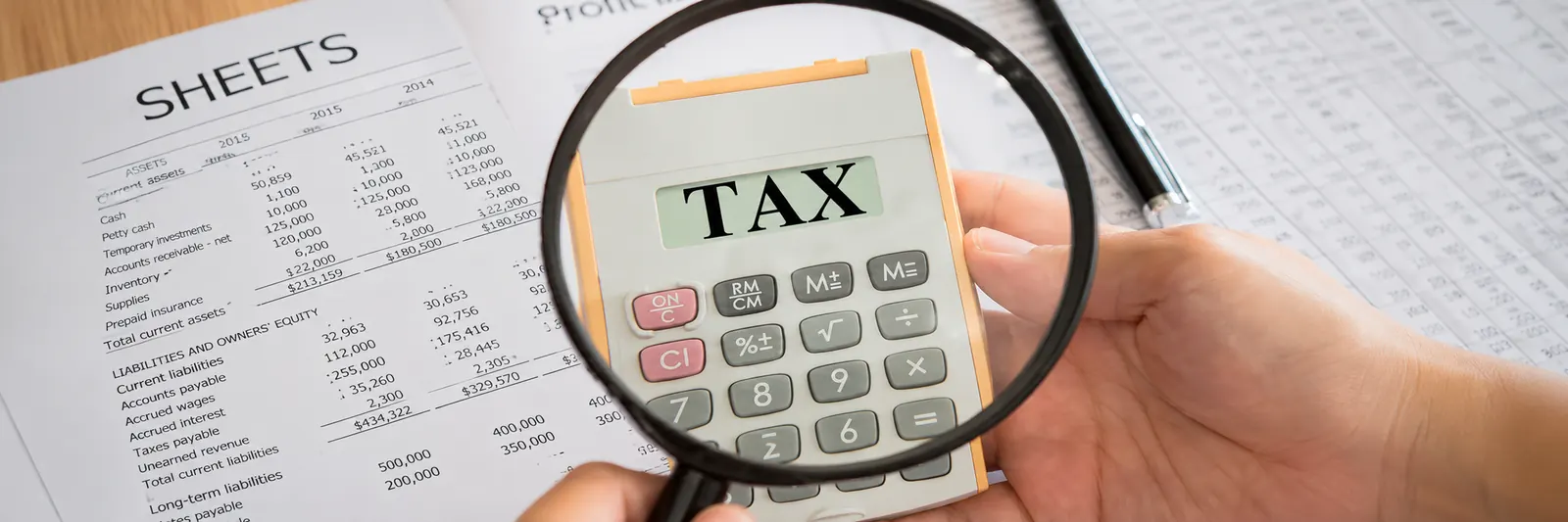
Your Business Worked Hard. Make Sure Your Tax Return Is Done Right.
Running a business takes more than simply making sales.
You invest your time, money and energy into serving customers, managing employees, paying suppliers, building your brand and creating opportunities for growth.
At the end of the financial year, all that activity needs to be reflected accurately in your business’s financial and tax records.
That is where your business tax return comes in.
A tax return is not simply another form to complete and forget about. It is an important part of meeting your tax obligations and reporting your business’s financial position to the Australian Taxation Office.
For businesses, getting the return prepared correctly means having reliable records, understanding applicable deductions and ensuring the information reported is supported by appropriate documentation. The ATO states that businesses need to keep records that explain transactions relevant to taxation purposes.
Your business worked hard. Make sure your tax return reflects it accurately.
Why Getting Your Business Tax Return Right Matters
Business owners often focus on revenue.
How much did we sell?
How many customers did we gain?
Did the business grow?
But revenue is only one part of the picture.
Your tax return may involve reviewing:
- Business income
- Operating expenses
- Assets
- Depreciation
- Loans and interest
- Employee-related costs
- GST and BAS information
- Business deductions
- Capital transactions
- Tax losses
- Other relevant financial information
The exact requirements depend on your business structure and circumstances.
For companies, the ATO’s company tax return instructions include requirements around financial statements, operating information, calculations and records supporting amounts reported in the return.
That is why simply entering numbers into a form isn’t enough.
The numbers need to be accurate, properly supported and appropriate for your circumstances.
Your Records Are the Foundation
A well-prepared tax return starts with well-maintained records.
If your bookkeeping is incomplete, preparing the return can become much more difficult.
You may have:
- Unreconciled bank transactions
- Missing invoices
- Uncategorised expenses
- Receipts stored in different places
- Business and personal expenses mixed together
- Asset purchases that haven’t been recorded properly
- Outstanding BAS information
Trying to sort all of this out at tax time can create unnecessary stress.
The ATO states that business records need to explain transactions and generally be retained for five years, although some records may need to be kept longer.
Keeping your records organised throughout the year can therefore make tax preparation considerably easier.
Don’t Miss Legitimate Business Deductions
One of the biggest concerns business owners have at tax time is whether they are claiming all the deductions they are entitled to.
But there is an important difference between claiming legitimate business deductions and simply claiming every expense you can find.
A business expense generally needs to satisfy the applicable tax rules, and you need appropriate records to support the claim.
The ATO notes that records are required to substantiate business expense deductions and, where relevant, demonstrate the business-use proportion of expenses.
Depending on your circumstances, your accountant may review expenses such as:
Operating Expenses
Day-to-day costs associated with running your business.
Advertising & Marketing
Costs associated with promoting your products or services.
Professional Services
Eligible accounting, legal and other professional expenses.
Business Premises
Relevant rent, utilities and other premises-related costs where applicable.
Technology
Business-related software, subscriptions and equipment.
Motor Vehicle Expenses
Where business use and applicable deduction requirements are satisfied.
Employee Costs
Eligible wages and other employment-related expenses.
Depreciating Assets
Eligible business assets may need to be depreciated or treated under applicable tax rules.
The correct treatment depends on the nature of the expense, how the asset or service is used and the applicable tax rules.
Don’t Guess Your Tax Position
It can be tempting to look at last year’s tax return and simply repeat the same approach.
But businesses change.
Your revenue may be higher.
Your expenses may have changed.
You may have purchased equipment.
You may have hired employees.
You may have taken out finance.
You may have started a new business activity.
You may have changed your business structure.
Each of these changes can affect how your financial information needs to be considered.
Professional tax advice can help you understand what has changed and what information needs to be reviewed.
Business Structure Can Make a Difference
The tax return process can vary depending on your business structure.
Your business may operate as a:
- Sole trader
- Partnership
- Company
- Trust
Each structure has different tax and reporting considerations.
For example, a company has its own tax return and record-keeping requirements, while a sole trader generally reports business income and deductions through their individual tax return.
This is one reason why business owners should avoid assuming that advice designed for another business automatically applies to theirs.
What If Your Books Are Behind?
Don’t panic.
If your tax return is approaching and your bookkeeping isn’t up to date, the first step is to identify what information is missing.
You may need to:
Reconcile bank accounts.
Organise receipts and invoices.
Review business expenses.
Check BAS information.
Record asset purchases.
Review loans and finance.
Separate personal and business transactions.
Once the underlying records are organised, your accountant can work with more reliable information.
Vanguard Accounting provides bookkeeping, BAS lodgements, tax returns and lodgements, cash-flow management and finance advisory services, allowing businesses to address multiple accounting needs through a broader support process.
Tax Planning Shouldn’t Start After the Year Ends
Tax planning is often more useful when considered throughout the year rather than only after the financial year has finished.
Regular financial reviews can help business owners understand how their business is performing and identify areas that may require attention.
For example, you may discover that:
- Revenue has increased but margins have fallen.
- Operating expenses have grown significantly.
- Cash flow is under pressure.
- You are planning a major asset purchase.
- Your business structure may need review.
- Your business is preparing for expansion.
These issues aren’t necessarily solved by the tax return itself.
But the tax-return process can provide an opportunity to review the broader financial position of the business.
What Happens If Your Tax Return Is Already Late?
If your business tax return is overdue, don’t ignore it.
The ATO can apply failure-to-lodge penalties in appropriate circumstances, and the consequences depend on the taxpayer and circumstances.
If you have outstanding returns, the best approach is to identify exactly what is overdue and obtain professional assistance where necessary.
A registered tax agent can help you understand your outstanding lodgement requirements and work through the information needed to bring your records up to date.
Being behind doesn’t mean you should stay behind.
Why Professional Tax Support Can Help
Preparing a business tax return involves more than entering figures.
A professional accountant or tax agent can help review the information behind those figures and identify areas requiring attention.
Professional support may include:
- Reviewing financial records
- Preparing business tax returns
- Reviewing eligible deductions
- Checking supporting documentation
- Coordinating BAS information
- Reviewing business income and expenses
- Providing tax planning guidance
- Managing lodgement requirements
- Identifying outstanding obligations
The objective isn’t simply to get the return submitted.
It is to help ensure that the information being submitted is accurate and properly supported.
How Vanguard Accounting Can Help
Vanguard Accounting provides tax and accounting services for Australian individuals and businesses.
Its published services include:
- Tax Returns & Lodgements
- BAS Lodgements
- Bookkeeping
- Cash Flow Management
- Finance Advisory
- Payroll Management
- Business Advice & Setup
- SMSF Auditing
Its tax-return services include support for individual, sole trader and business tax returns, as well as company and trust returns, BAS/GST lodgements, amendments and tax planning/advisory.
This broader approach can help businesses connect their bookkeeping, BAS, tax preparation and financial planning instead of treating each task as completely separate.
Make Sure Your Hard Work Is Reflected in Your Numbers
You worked hard to build your business.
You generated revenue.
You served customers.
You paid employees and suppliers.
You invested in your business.
You took risks.
You made decisions.
Now your financial records need to tell that story accurately.
A properly prepared business tax return can help you meet your obligations while giving you an opportunity to review the financial performance of your business.
Don’t rush through it.
Don’t guess.
Don’t leave it until the last minute.
Your Business Worked Hard. Make Sure Your Tax Return Is Done Right.
Let Vanguard Accounting help you organise your financial records, review your tax position and manage your business tax return and broader accounting requirements.
Accurate records. Professional guidance. Greater confidence at tax time.
Disclaimer
This article provides general information only and does not constitute tax, accounting, financial or legal advice. Tax treatment, deductions, record-keeping requirements and lodgement obligations depend on individual circumstances and business structure. Australian businesses should obtain advice from a registered tax agent or qualified accounting professional regarding their specific situation.
This page contains general information only and does not take into account your personal circumstances. Speak with us for advice specific to you.